Industrial Burner Optimization in St. Louis
How a Major Seasoning Producer Turned Emergency Repairs into Production Excellence
When a major seasoning manufacturer’s Midwest facility faced inconsistent product quality in their fried onion production, they discovered what many St. Louis-area food manufacturers learn the hard way: burner problems compound quickly without proper optimization. What started as an emergency service call for unreliable burners evolved into a comprehensive burner optimization project across multiple systems—revealing why St. Louis facilities can’t afford to treat combustion as an afterthought.
The Challenge: When St. Louis Food Production Meets Combustion Complexity
This global seasoning producer operates a critical production facility in Springfield, Missouri, manufacturing the fried onion pieces that top countless American dinner tables. But when their onion products started coming out inconsistently cooked and burners began shutting down unpredictably, production quality was at risk.
The facility’s maintenance team—skilled professionals who keep complex food production lines running—had tried their best to address the issues. They adjusted gas valves, attempted to troubleshoot ignition sequences, and worked to keep production moving. Yet the problems persisted and multiplied.
Like many food processing plants across the St. Louis region, this manufacturer faced a common challenge: their maintenance teams handle everything from electrical to mechanical to hydraulic systems. But industrial combustion requires specialized expertise that general maintenance teams rarely possess. In the high-stakes environment of food production, where quality inconsistencies can mean lost customers and failed audits, this expertise gap becomes critical.
Burner Optimization in St. Louis Requires Specialized Expertise
When our combustion technicians arrived at the facility, what appeared to be a straightforward service call quickly revealed multiple layers of interconnected problems across two major production systems:
The Flame Peeler System: 12 Burners, Multiple Failures
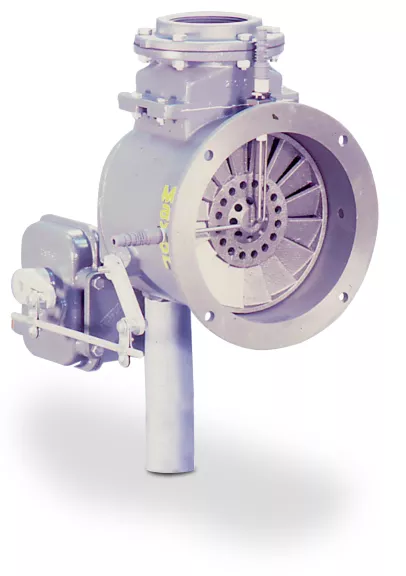
The facility’s flame peeler—a conveyor system that uses controlled fire to remove onion skins—featured 12 burners arranged in top and bottom configurations. The investigation uncovered:
The Dryer System: Hidden Dangers in 11-Burner Configuration
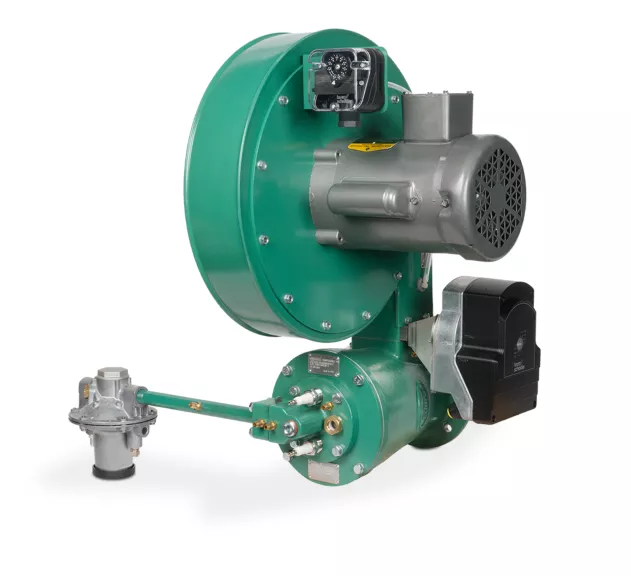
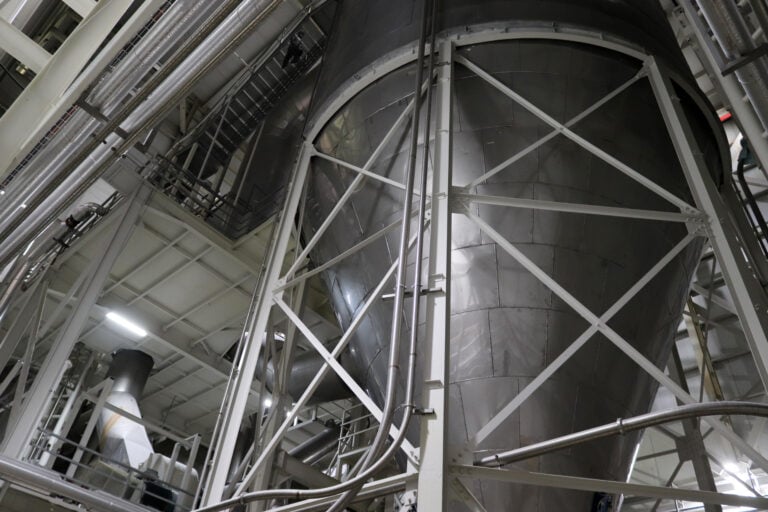
The facility’s massive dryer, equipped with 11 burners, presented even more serious challenges:
What we discovered was a textbook case of what longterm deferred maintenance combined with the lack of specialized combustion knowledge can bring you. In food production environments, where flour and other particulates constantly circulate, burner systems require specific maintenance protocols that general maintenance teams often don’t know to implement.
The Solution: Systematic Burner Optimization for Multi-System Failures
Our approach to burner optimization in St. Louis goes beyond quick fixes. Our team implemented a comprehensive solution addressing both immediate dangers and long-term reliability:
Immediate Interventions
Root Cause Resolution
Rather than simply fixing symptoms, we addressed the underlying issues:
Preventative Maintenance Framework
The real value of professional burner optimization emerged in the transition from emergency response to ongoing partnership:
Results: From Emergency Response to Proactive Partnership
The immediate impact of our burner optimization was clear:
But the long-term value proved even greater. By transitioning from reactive emergency calls to proactive maintenance, the facility achieved:
Is Your Facility Next?
This seasoning manufacturer’s story isn’t unique. Across St. Louis and the Midwest, food and beverage manufacturers struggle with aging burner systems, deferred maintenance, and the lack of in-house combustion expertise. The difference between facilities that thrive and those that merely survive often comes down to how they approach burner optimization.
If your facility experiences any of these warning signs, you may be heading toward your own combustion crisis:
Don’t wait for an emergency to reveal systemic problems. Our burner optimization services for St. Louis manufacturers include comprehensive system assessments that identify issues before they impact production.
Need help with your burners? Get in touch with our burner experts.