Burner Systems in Mining: The Overlooked Asset That Shuts Down Production
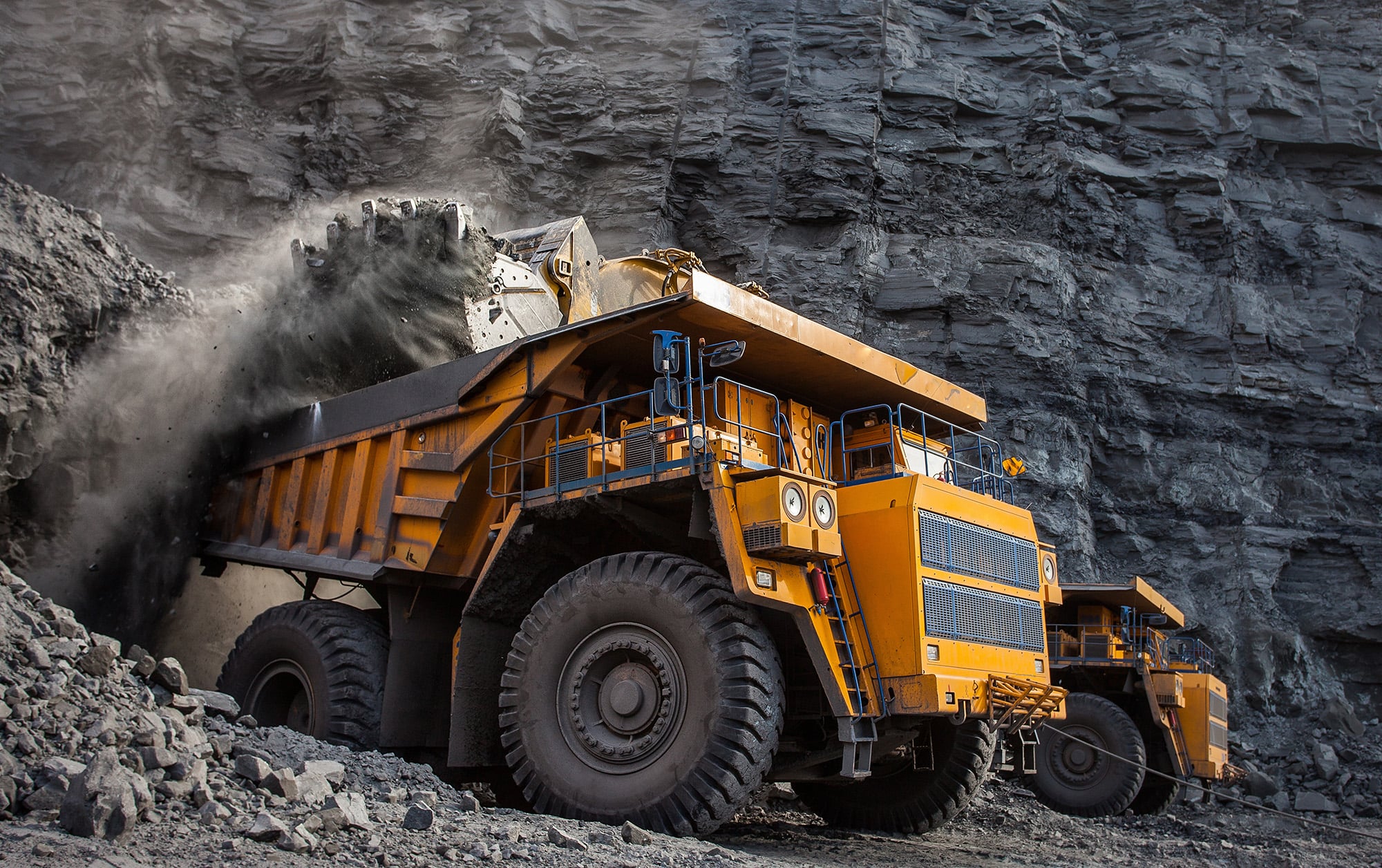
Walk into any operating mine site and the priorities are immediately obvious. Massive haul trucks, conveyor systems, extraction equipment, and dozens of variables all competing for the attention of maintenance teams that are already stretched thin. Every piece of heavy equipment has a checklist, a maintenance schedule, and usually a dedicated person responsible for keeping it running.
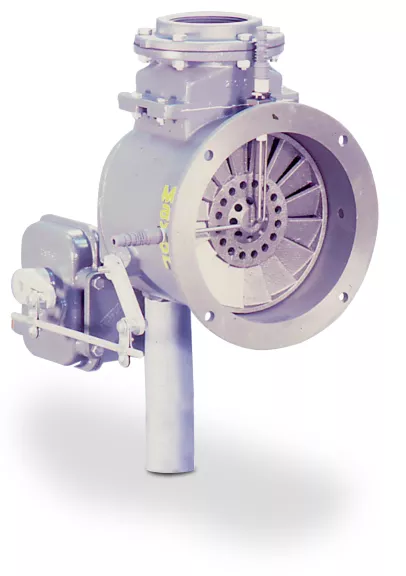
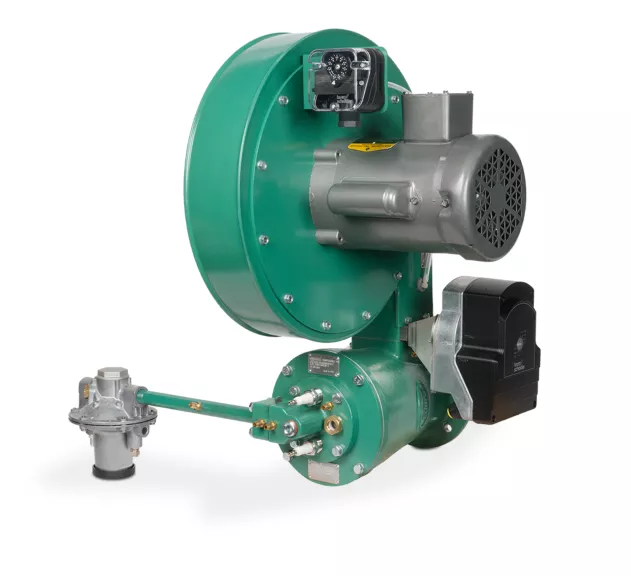
Burner systems are rarely on that list. They are easy to overlook until they stop working. But burner systems do something critical: in winter, they keep underground mines tolerable. Federal ventilation requirements mean a continuous flow of fresh air has to move through underground shafts at all times. When outside temperatures drop to 15 degrees, that air has to be heated before it reaches the workers and equipment below. Large ventilation air heaters handle that job, and they account for roughly 60% of the combustion system work at mine sites. The rest covers surface process heating — ore drying, lime processing, and other thermal applications on site.
None of this appears in MSHA training. Burner systems are not part of the curriculum. They are not on the safety briefing agenda, and they rarely come up in daily operations meetings. This reflects the reality of managing a complex operation with finite resources. Attention goes to the systems with the most visible risk. Burner systems just quietly do their job, right up until the moment they do not.
What Actually Happens When Burner Maintenance Gets Deferred
Burner system problems in mining tend to follow a predictable pattern: quiet deterioration, gradual performance loss, and then an acute failure at the worst possible time. This is not unique to mining, but the consequences here are particularly hard to absorb.
Deferred maintenance compounds quietly
Mining maintenance teams typically interact with burner systems a couple of times per year at most. The maintenance and electrical personnel responsible for these systems have full plates managing everything else on site. They are competent professionals, but burners are not their specialty. The result is that small issues go undetected until they become major problems. A sensor drifts out of calibration. A component shows early wear. An airflow imbalance develops slowly over time. By the time a burner is visibly failing, the underlying issue has usually been building for months.
Ice accumulation in ventilation shafts
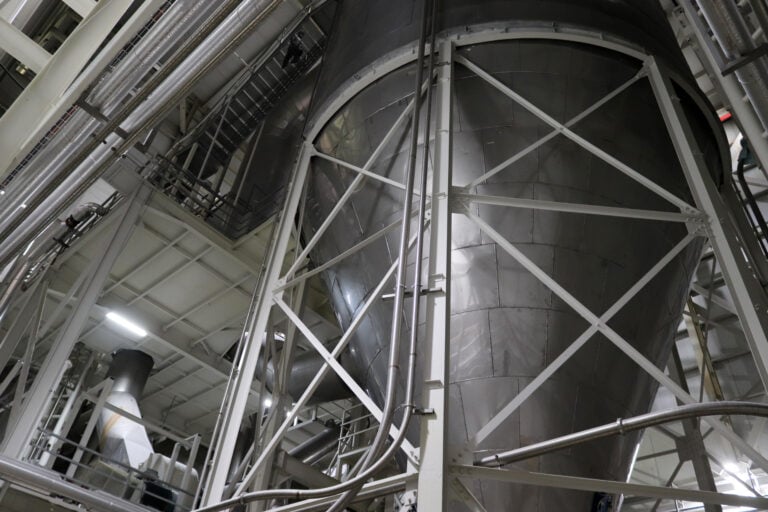
When a ventilation air heater is underperforming, the incoming air does not get fully heated. In winter conditions, that means cold air is entering the ventilation shaft. Over time, moisture in the shaft freezes on contact with the cold surfaces, and ice begins to accumulate. A burner running at reduced capacity for a few weeks in January can produce ice formations large enough to threaten equipment below and restrict critical airflow into the mine. The safety implications are serious. This is not a theoretical scenario. It happens, and when it does, the mine keeps running because shutting down is not an option, and the ice problem becomes something operations manages around rather than corrects properly until conditions allow a real fix.
Emergency failures during peak demand
Large mining operations run 24 hours a day, 7 days a week, 360+ days a year. They do not stop. That means a burner failure in January is not a scheduled inconvenience that can wait for a warmer week. It is an emergency that puts workers at risk and puts operations under immediate pressure. Emergency service calls and expedited parts sourcing carry significant cost on their own. Unplanned downtime compounds that further. And beyond the direct cost, the operational disruption is difficult to contain. Mines are tightly integrated systems, and thermal failures ripple.
The Case for Preventative Maintenance
Reactive maintenance is always more expensive than preventative maintenance. In mining, the cost goes well beyond the repair bill. It is lost production at a 24/7 operation, plus the compounding cost of emergency logistics in often-remote locations. Industry data backs this up: an estimated 60% of combustion-related failures could be prevented with regular inspection and tuning. The majority of emergency calls and unplanned shutdowns are predictable results of maintenance that did not happen on schedule.
A proper preventative maintenance inspection covers what an emergency call never will:
- Full burner inspection and cleaning, addressing the dust and debris accumulation unavoidable in mining environments
- Flame safeguard and sensor verification to confirm safety systems are responding correctly
- Combustion control and interlock testing to ensure the system is operating within designed parameters
- Airflow and backpressure assessment, particularly important for ventilation air applications where performance directly affects mine conditions
- Identification of aging or end-of-life components before they cause failure
There is also a practical argument for bringing in specialists rather than relying on generalist maintenance staff for infrequent burner service. A technician who works on burners every day will identify an issue that someone who sees these systems twice a year simply will not recognize. The maintenance personnel at a mine site are highly skilled at managing the systems they interact with regularly. Burners are not one of those systems, and pretending otherwise creates risk.
For operations running 360+ days a year, every day of unplanned outage hits the bottom line directly. A single emergency burner failure in January will cost significantly more than a year of scheduled preventative visits. The question is when the next failure will happen, and whether maintenance will have been scheduled before it does.
Working with Specialists Who Understand Mine Site Conditions
BDC works with mining and mineral processing facilities to maintain safe, reliable burner systems in demanding environments. That includes ventilation air heaters for underground mine shafts, lime dryers, and surface process heating systems at sites across the country.
Our technicians are MSHA-certified for above-ground mine site access and bring combustion-specific expertise to every visit. They understand the operational and logistical realities of working in remote and active mining environments. They work on burners every day. That depth of experience translates directly into faster diagnosis and more accurate assessments, producing maintenance work that prevents the failures most mines are not anticipating until it is too late.
If your mine site has not had a formal burner system assessment recently, now is the time to schedule one. Reach out to BDC to discuss your specific systems and what a preventative maintenance program would look like for your operation.