Setting Up for a Successful Harvest: Overcoming Grain Drying Challenges with Industrial Burners
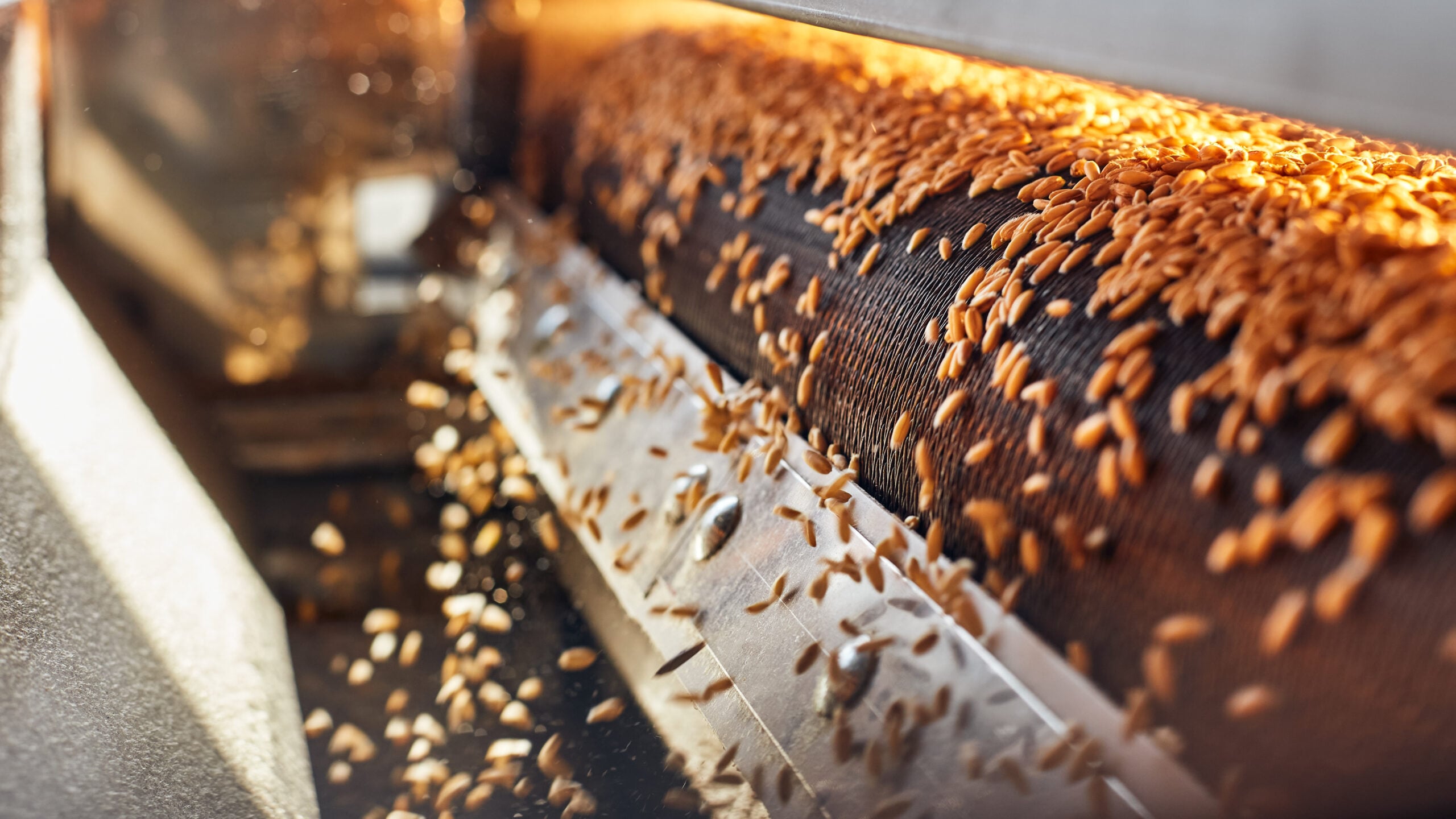
Every harvest season starts long before a combine ever hits the field. For seed corn producers, success begins with preparation, and that means making sure the grain drying systems are ready to perform the moment corn is ready for harvest.
When your window for drying is only eight weeks long, every day counts. A single burner failure or inconsistent temperature swing can mean the difference between a strong seed harvest and a costly setback. That’s why taking time to fine-tune and service your industrial burners is one of the best investments you can make before the drying season begins.
The Unique Challenge of Seed Corn Drying
Drying seed corn isn’t the same as drying feed or process corn. The process is slower, more precise, and a lot less forgiving.
Seed corn must retain its germination potential, meaning the heat used to remove moisture can’t be too aggressive. Instead of drying kernels that have already been shelled, seed corn is dried on the cob, in bins that can take two or three days per batch to reach the right moisture level.
Every company has its own “recipe” for drying, with specific airflow, temperature, and timing requirements. That makes control and consistency critical. Too much heat, and the seed’s germ is damaged. Too little, and you end up with moisture issues that can lead to mold or reduced shelf life.
The challenge is compounded by environmental factors. Early in the season, outdoor temperatures can still reach the 90s, yet the drying process may require maintaining temperatures around 105°F. That’s only a small differential to work with, and it demands careful burner control to prevent overheating.
Why Industrial Burners Matter in Grain Drying
Every drying system relies on its burners to keep operations consistent. Industrial burners provide the controlled heat that drives the entire drying process, but in seed applications, “control” is the key word.
In older double-pass drying systems, one or two burners might heat an entire plenum of air. The result? Uneven heat distribution across bins, wasted energy, and a higher risk of inconsistent drying.
Modern single-pass systems, by contrast, use individual burners for each bin. This allows operators to run multiple recipes simultaneously, one strain of seed corn might need a lower temperature or slower airflow than another, all while maintaining uniformity across the load.
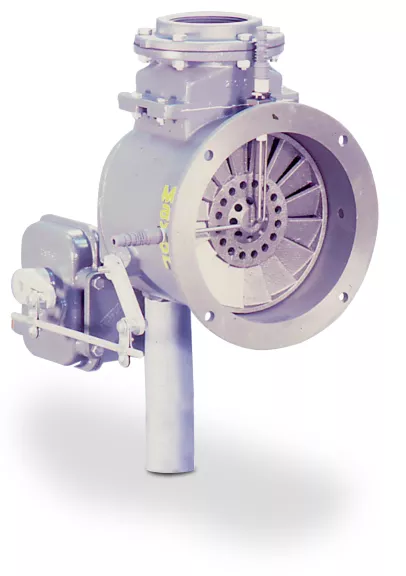
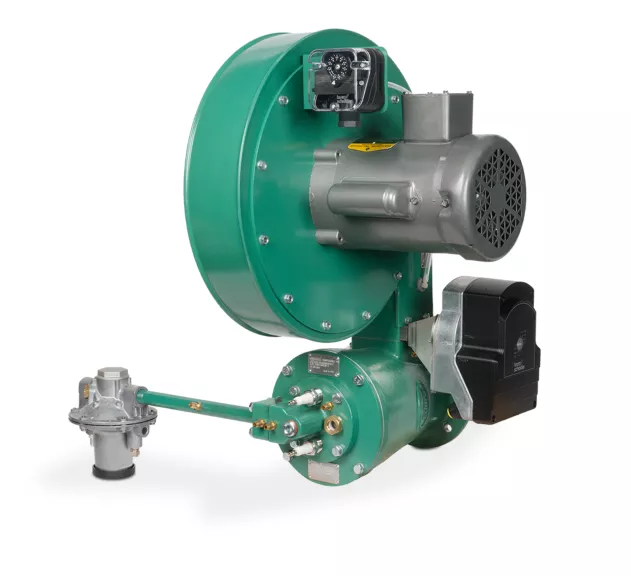
That kind of precision depends on equipment designed for flexibility and control. Honeywell’s Maxon NPLE line burners, used throughout many seed corn drying systems, are a perfect example. With a 30:1 turndown ratio, they can accommodate incremental temperature rise on warmer days, maintaining even heat without overshooting targets.
The NPLE’s design also allows for staged firing using blocking plates, so operators can activate as little as six inches of burner length while the rest remains off. This feature provides even greater turndown capability, improving energy efficiency and ensuring that air temperature stays steady from bin to bin — a critical factor in protecting seed quality and maximizing yield.
Key Factors to Optimize Burner Performance
Before the first load of corn hits the dryer, it’s essential to ensure every burner, valve, and sensor is functioning properly. Preventative maintenance takes only a day or two but can save weeks of lost productivity later in the season.
BDC’s technicians recommend a preseason inspection that focuses on both safety and performance. Below is the checklist our team uses when preparing drying systems for harvest.
Preseason Burner Maintenance Checklist:
- Replace spark igniters, flame rods, and rubber boots
- Tighten all fan belts
- Cycle Maxon shutoff valves (open and close to ensure smooth operation)
- Check and adjust control valve linkage to eliminate hysteresis (slop) in the line
- Inspect for water damage on the control valve body or butterfly valve
- Verify that all pressure gauges and switches are working correctly; replace if needed
- Confirm both pilot and main burners light reliably
- Check vent valve solenoids for gas leaks
- Replace any obsolete or end-of-life components (many dryers built between 1998–2008 are now due for updates)
BDC service teams can support 10–15 sites at a time, ensuring that each burner system is ready before the season’s tight eight-week window begins. Addressing these maintenance items early helps minimize temperature fluctuation, prevent mid-season downtime, and protect your crop’s integrity.
Combustion Efficiency and Seed Quality
An efficient burner system keeps temperature rise low and heat distribution even — the two most important factors in maintaining germination rates and preserving valuable genetics.
Poor combustion, on the other hand, can create hot spots or carbon buildup, both of which threaten consistency across bins. By calibrating burners and optimizing airflow, facilities can improve drying uniformity while also cutting energy waste.
The BDC Difference
BDC has spent decades working on combustion systems for industries where uptime and precision aren’t optional, from manufacturing to food processing to agriculture. That same expertise translates directly to the challenges of seed corn drying.
Our team knows industrial burners inside and out. We’re Honeywell distributors and familiar with the Maxon NPLE line burner used across most seed corn dryers. More importantly, we understand the agricultural cycle — the short season, the narrow temperature window, and the cost of downtime.
When you partner with BDC, you’re gaining a team that treats your operation like their own. From preseason inspections to emergency troubleshooting, we’re here to help you keep drying efficiently and confidently.
Prepare for a Strong Harvest Season
The best harvests start with preparation. Make sure your burners are ready before the grain starts rolling in.Contact us to schedule your preseason inspection, and start the season knowing your combustion systems are ready to deliver reliability, precision, and peace of mind.