Immersion Tube Burner Problems: Common Issues and How to Diagnose Them
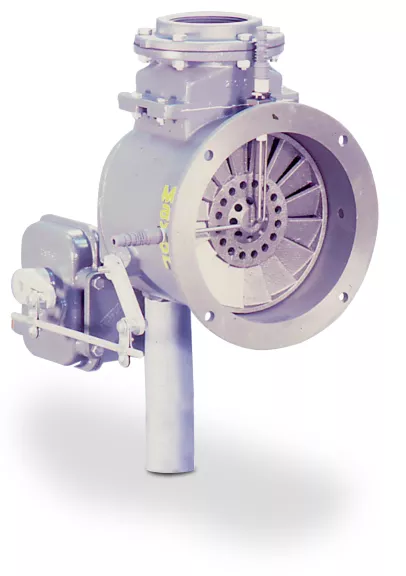
Immersion tube burners are uniquely sensitive to tuning drift, improper installation, and deferred maintenance. Because the flame geometry inside the tube is what makes these systems work, anything that disrupts that geometry degrades performance fast. The tricky part is that the symptoms often look like something else.
This article covers the most common immersion tube burner problems, how to identify them, and what needs to happen to get the system back on track. For background on how these systems work and how to select the right burner type, see the companion article: How Immersion Tube Burners Work: Types, Efficiency, and Selection Guide.
Why Immersion Tube Burner Problems Are Easy to Misdiagnose
The most common mistake facilities make with immersion tube systems is blaming the burner when the real issue is tuning, tube condition, or system design. When process temperatures are inconsistent or products are not hitting spec, the instinct is often to replace the burner. In many cases, the burner is fine, it just needs to be tuned, or there is a maintenance issue upstream of the burner itself.
Understanding what each symptom actually points to saves time, avoids unnecessary equipment costs, and prevents facilities from replacing components that were never the problem.
Temperature Gradients in the Tank
What it looks like: Thermocouple readings show one side of the tank running significantly hotter than the other, or temperatures drop off toward the far end of the tube run.
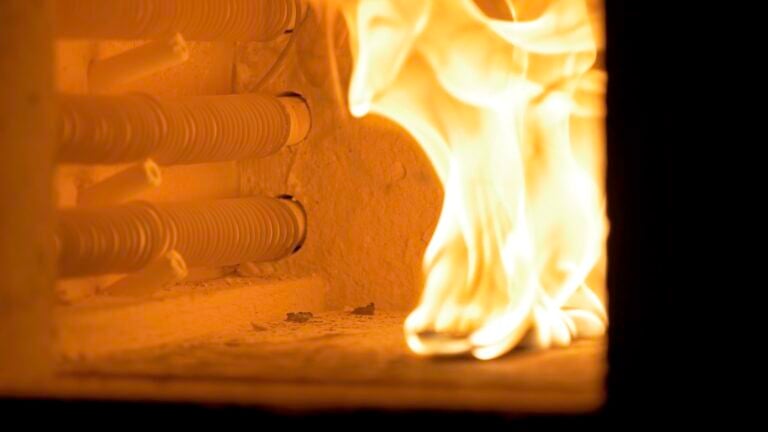
What it usually means: The corkscrew flame geometry is off. A properly functioning immersion tube burner spreads heat evenly along the full length of the tube. When the flame reverts to a shorter, more direct pattern — which happens when a burner drifts out of tune — all the heat concentrates near the burner flange. The far end of the tube starves and causes a temperature gradient across the tank.
What to do: Have the burner inspected and tuned by a specialist trained on immersion tube systems. The corkscrew flame geometry requires specific adjustment, and a technician unfamiliar with immersion tube applications may not recognize what “properly tuned” looks like for this burner type.
Hot Spots at the Burner Flange
What it looks like: Two signs to watch for:
- The burner backplate is hot to the touch or glowing red. This indicates heat is concentrating at the front of the tube rather than distributing down the run — a visible sign that something is wrong with the flame geometry before any damage to the tube is confirmed.
- Warping of the tube is visible during shutdowns. When the system is down and the tube can be inspected, deformation near the burner connection — particularly in the first few feet — points to sustained overheating at that location.
What it usually means: Three possible causes, in order of likelihood:
- Tuning has drifted and the flame is no longer spiraling down the tube correctly
- The burner is the wrong type for the application — a non-immersion tube burner was installed (often from a storeroom or a general-purpose replacement), and it is producing a short, concentrated flame instead of the required corkscrew pattern
- The burner is undersized for the tube, running at consistently low fire, which generates heat primarily at the point of combustion rather than distributing it down the run
What to do: Do not ignore flange-area hot spots. This is how tubes get permanently deformed, and in more serious cases, how holes develop in the tube wall. A hole in an immersion tube, or even significant warping, effectively takes the system down and requires tube repair or replacement, which is a far more costly fix than early intervention.
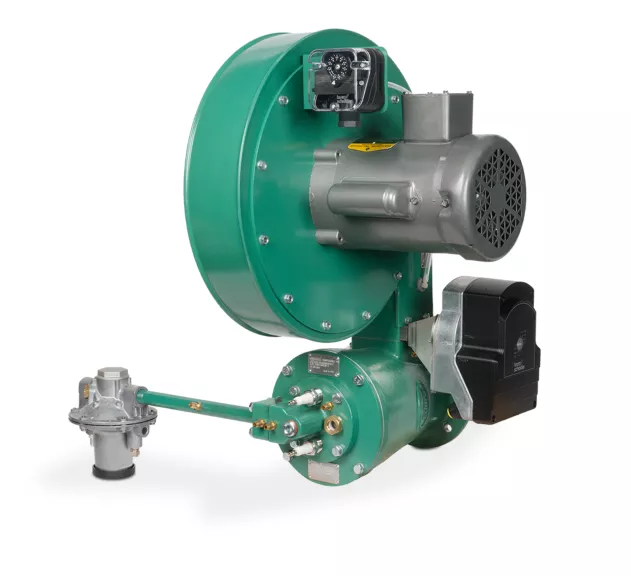
If the wrong burner type was installed, it needs to be replaced with an immersion tube burner (Maxon Tube-O-Flame, Maxon Tube-O-Therm, or Eclipse ImmersoJet, depending on tube diameter and BTU requirements). BTU rating alone does not determine whether a burner is appropriate for this application.
Inability to Reach Target Temperature
What it looks like: The system is running at high fire but cannot reach the process temperature it used to maintain reliably. The gap between what the burner is putting out and what the tank is actually hitting keeps widening over time.
What it usually means: Two likely causes:
- Tube buildup. In applications with viscous fluids, sludge can accumulate on the exterior of the tube. Because the tube is hot and the fluid is thick, material sticks to the tube wall and builds up a layer of insulation between the tube and the liquid. The burner can be running perfectly and still not get the tank to temperature because there is effectively a barrier between the heat source and the fluid.
- Burner tuning drift. If the corkscrew geometry has deteriorated, efficiency can fall well below the 70–75% baseline. The system is consuming the same fuel but delivering far less usable heat to the tank.
What to do: For tube buildup, drain the tank and clean the tube exterior. This is routine maintenance for systems running viscous fluids and should be on a regular schedule rather than treated as a reactive fix. For tuning drift, have the burner inspected and retuned.
Noise from the Burner System
What it looks like: Rumbling, rattling, or unusual sounds coming from the tube during operation. In some cases the sound is subtle and grows louder over time.
What it usually means: Condensation has formed inside the tube. This happens when system efficiency climbs above the safe upper range — typically 80–85% for most immersion tube applications. When combustion efficiency gets too high, water vapor from the combustion products condenses on the cooler interior tube walls. Water inside a combustion tube causes the sounds described above, disrupts the flame geometry, and produces carbon monoxide from steam interference.
What to do: Check the O2 sensor on the exhaust and review the air damper position. If O2 levels are lower than expected, opening the damper slightly will push more combustion products through the system and reduce the efficiency back into the safe operating range. If the O2 sensor has not been calibrated recently, that is worth addressing as part of the same service call.
Seasonal Considerations and Ongoing Maintenance
How Cold Weather Affects Immersion Tube Performance
As ambient temperatures drop in colder months, heat loss from the tank increases on two fronts: the liquid surface transfers heat to the surrounding air, and the tank walls absorb heat from the fluid and conduct it outward. The result is that the burner has to work harder to maintain the same process temperature. A burner that is running near its efficiency limit in the summer may not have the headroom to compensate in the winter.
Facilities will typically see higher firing rates in cold months, which is normal. What is not normal is a burner that cannot keep up even at high fire, or one that starts showing temperature gradients and inconsistent performance as temperatures drop. These are signs that the burner was already operating below optimal efficiency before the seasonal load increased.
The practical implication: get burners inspected and tuned heading into the fall, not in the middle of a cold-weather production problem.
Preventive Maintenance Schedule
Regular preventive maintenance on immersion tube burners should include:
- Burner tuning to verify and restore corkscrew flame geometry
- O2 sensor calibration and exhaust air damper inspection
- Visual check of the tube for signs of warping, scaling, discoloration, or buildup at the flange area
- Tank and tube cleaning on a schedule appropriate to the fluid type — more frequent for viscous or chemically reactive applications
- Agitator inspection (if applicable) to ensure fluid is staying in motion and not settling against the tube wall
Why Generalist Service Technicians Miss These Issues
HVAC and boiler service companies are the most common alternative to specialized combustion service for immersion tube systems. The problem is that generalist technicians are trained to verify that a burner is firing and producing heat at a stated temperature.
A generalist tech may confirm that the burner is lit and running without recognizing that the flame geometry is off, that tuning has drifted into a short-flame pattern, or that the efficiency is running above safe limits. When problems surface — hot spots, temperature gradients, condensation noise — a generalist is more likely to declare the burner functional and look elsewhere for the cause, because they have no reference point for what correct immersion tube operation looks like.
Whereas BDC technicians are trained specifically on immersion tube applications and the burner lines used in them. That distinction matters most during troubleshooting, when the ability to recognize subtle performance drift early can reduce the cost of repairs and maintenance.
How BDC Can Help
BDC provides burner tuning, NFPA inspection and compliance services, and troubleshooting for immersion tube systems running the Maxon Tube-O-Flame, Maxon Tube-O-Therm, and Eclipse ImmersoJet product lines. Whether you are chasing a temperature consistency problem, preparing for a seasonal service visit, or dealing with a system that has been running on the wrong burner type, our technicians have the application-specific knowledge to diagnose it correctly.
Contact us to schedule a service visit or discuss your system.