The Hidden Cost of Neglected Steel Mill Burners
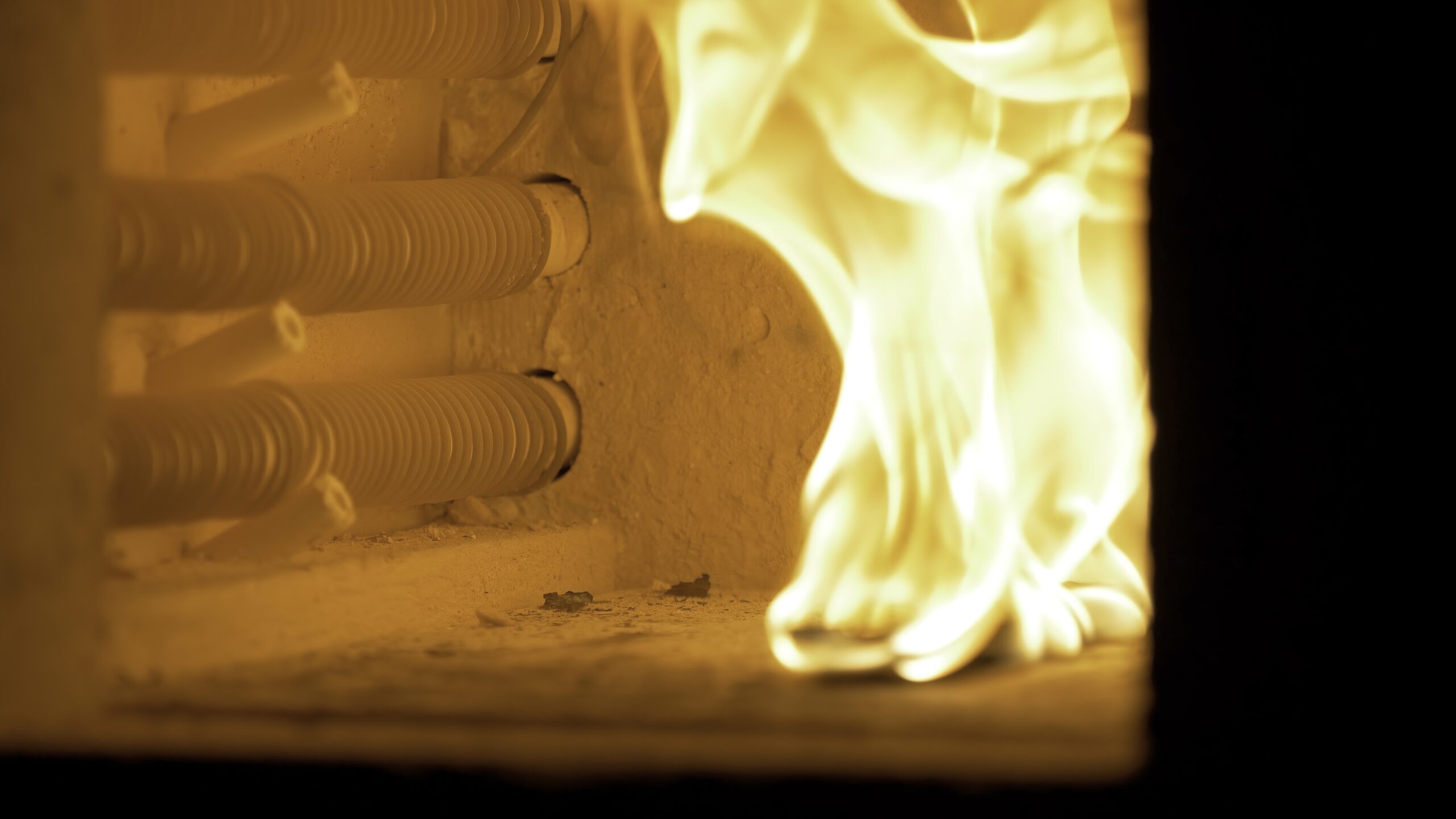
Steel mills put relentless demands on everything inside them. Furnaces run at over 2,000 degrees, sometimes for years without a full shutdown. The equipment is enormous, much of it in operation for decades.
Keeping the line moving is the primary objective. Downtime is expensive, and the decision to shut something down, even to inspect it, is one most facilities cannot easily justify mid-schedule. Maintenance decisions get made accordingly, and for good reason.
Burners are where that approach tends to break down first.
What we see in the field, again and again, is that the most expensive problems at steel mills trace back to burners that nobody paid much attention to. A furnace drifts 600 degrees out of spec. A ladle’s refractory fails two years ahead of schedule. By the time the bill arrives, the small, preventable issues have compounded into days of unplanned downtime, or worse.
This is a look at the most common burner problems we encounter at steel facilities. For each one, we’ll get into what causes it and what it costs when it goes unaddressed.
The Most Common Burner Problems in Steel Facilities
1. Temperature Fluctuations Causing Scrapped Slabs
Temperature fluctuations in reheat furnaces are one of the most common issues we see in the field. For example, a zone that should hold 3,200 degrees keeps swinging between 2,800 and 3,400. Operators adjust, temperatures stabilize, and then they are chasing fluctuations again a week later.
Two things usually drive it.
- Refractory wear. Over years of continuous operation, the lining inside the furnace degrades near the burner ports and starts exposing burner components to conditions they were never designed to handle.
- Manifold imbalance. These furnaces run on a large gas manifold with dozens of individual takeoffs, each with its own aging control valve. Over time, those valves get bound up. One burner might have eight inches of gas pressure. The next one has six. The one after that is back to eight. When the pressure is uneven, the heat is uneven.
The consequence is scrapped steel. A slab that falls outside of temperature specification has to be rejected, and a furnace running badly can produce reject after reject for weeks before anyone connects it back to the burners.
2. Improper Flame Length Destroying Ladle Refractory
Ladle burner problems tend to build slowly, which is part of why they go unaddressed. The burner runs for hours, unattended, and the damage accumulates over hundreds of cycles before it shows up anywhere obvious.
Usually the issue is flame length. A ladle might be 20 feet deep, and the ideal flame tops out around 15 feet, enough to heat the vessel without impinging on the refractory at the base. When flame length runs long and hits the bottom directly, that section of lining deteriorates far faster than the rest. The rest of the ladle looks fine but the bottom is shot.
Relining the ladle is a major undertaking. Taking a vessel out of rotation disrupts production flow, and when it happens two years early because of a tuning issue nobody caught, every dollar of it was preventable.
3. Air-Fuel Ratio Problems: Too Rich, Too Lean, and Why Both Are Bad
Getting the air-fuel ratio right in a ladle or tundish burner matters more than most people realize. Too much air and the excess oxygen oxidizes the refractory brick faster than normal. Too much fuel and you have a more dangerous problem.
When a burner runs rich, unburned gas accumulates inside the vessel. A ladle is far from airtight, and when ambient air eventually finds its way in, the result is a combustion event. Sometimes it is a loud pop. This stresses the vessel structure and accelerates wear on components that were designed for far gentler conditions.
The more serious version involves moisture. If the refractory has been damaged and moisture is present when molten steel is poured in, the result can be a steam explosion, one of the most dangerous events in a steel mill. A common assumption is that there is a lining failure in this type of scenario. The refractory supplier comes in, inspects the material, and confirms the lining itself is performing as designed. The problem is in the application. That is when BDC gets the call. We come in to assess the burner setup and identify the air-fuel issue that has been quietly destroying the lining for months.
4. Worn Refractory Feeding Burner Damage
Reheat furnaces rarely shut down. After years of continuous operation, the refractory inside gradually erodes. As the brick pulls away from burner ports, it exposes burner components to conditions they were designed to avoid. What started as a refractory issue becomes a full burner component replacement, and the window to address it cheaply has already closed.
Why Industrial Burner Maintenance Gets Overlooked in Steel Mills
Part of what makes this problem persistent is structural. Steel mills are largely unionized, with mechanical and electrical unions each handling their respective systems. Combustion burners fall into neither category. Mechanical workers handle mechanical systems. Electrical workers handle electrical systems. Nobody in the union owns the burners. When something looks off with a burner, operators tend to walk past it, and the engineers who might take a closer look usually end up calling a specialist fairly quickly anyway.
There is also the equipment age factor. A lot of these plants were designed and built 50 or 70 years ago. These are facilities that have grown and changed over decades, and their combustion systems reflect that history. Understanding how a combustion system was configured and why requires deep expertise.
Finally, there is how production environments naturally triage. When a system fails, resources mobilize quickly. When it is running, even imperfectly, keeping it running tends to win out over stopping to investigate. That is a rational response to the pressures these facilities operate under, and it is also why deferred maintenance costs in steel mills tend to arrive all at once.
What Proactive Industrial Burner Maintenance Looks Like for Steel Facilities
The good news is that most of the problems described above are preventable. A proper industrial burner maintenance program for a steel facility covers the things that quietly drift out of spec before anyone notices.
On the reheat furnace side, that means burner-by-burner tuning to restore temperature uniformity across zones, along with pressure balancing across the gas manifold so every burner draws from the same baseline. Ladle and tundish burners get flame length assessment and air-fuel ratio analysis and adjustment. NFPA 86 compliance checks round out the program, valuable well beyond the regulatory requirement because a safety audit often surfaces problems that performance monitoring alone will miss.
The refractory math alone usually makes the case. Reheat furnace refractory is typically on a roughly ten-year replacement cycle. Going into a premature reline two or three years early because the burners were running wrong means weeks of downtime and significant lost production. A regular maintenance visit is a fraction of that number.
For facilities with multiple vessels or several systems to manage, a Master Service Agreement with BDC provides scheduled service and parts availability. It also includes priority response so that when an emergency does happen, the relationship and logistics are already in place.
Don’t Wait for a Costly Lesson
Steel mills put enormous demand on their combustion equipment, and running until failure can run up your bill when it comes to repairs and lost production time. The burner problems that cause the most damage are also the ones that send the clearest warning signs long before they become emergencies. Burner issues are always cheaper to address early than late.
BDC’s field technicians have worked inside steel facilities across the Midwest, servicing the full range of combustion systems that these environments demand. Whether you are dealing with an issue already showing up in production, or you want to get ahead of one before it does, we are ready to help.
Contact BDC to schedule a service assessment or talk through what a maintenance program would look like for your facility.