NFPA 86 Compliance in Kansas City: What Every Facility Manager Should Know

Keeping your facility safe, operational, and compliant isn’t just smart business—it’s essential for protecting your people, equipment, and bottom line. For Kansas City facilities that rely on combustion systems, understanding NFPA 86 is critical. At its core, NFPA 86 sets the standards for the safe operation of ovens and furnaces, including their industrial burners. Kansas City facility managers, in particular, face unique operational risks that make full compliance not just a recommendation, but a necessity.
Let’s dive into why NFPA 86 matters, what can go wrong if it’s ignored, and how to proactively protect your plant.
Why NFPA 86 Compliance Matters More Than Ever
When compliance slips, the stakes are high. Non-compliance with NFPA 86 can lead to dangerous outcomes: fires, explosions, property damage, and worst of all, injuries or fatalities. Beyond immediate danger, insurance companies are tightening requirements for combustion systems, and regulatory bodies are ramping up inspections.
In today’s climate, one gas leak or a poorly purged burner chamber could lead to massive downtime, costly lawsuits, or even permanent facility closure. Protecting your facility’s uptime, your team’s safety, and your reputation all starts with taking NFPA 86 seriously.
8 Most Common NFPA 86 Compliance Issues in Combustion Systems
With decades of hands-on experience in Kansas City’s industrial plants, we’ve inspected hundreds of combustion systems, provided on-site services, and conducted extensive troubleshooting for local manufacturers. Our team is deeply embedded in the daily operations of facilities just like yours, which means we know exactly where things tend to go wrong and why. We’ve seen firsthand the small oversights that can lead to catastrophic consequences—explosions, system shutdowns, and costly downtime that could have been avoided with proactive measures. These are some of the most common issues we see.
Improper spark igniter gap settings
If the gap isn’t correct, the spark can attach to nearby metal, causing unsafe arcing that could ignite unburned gas prematurely.
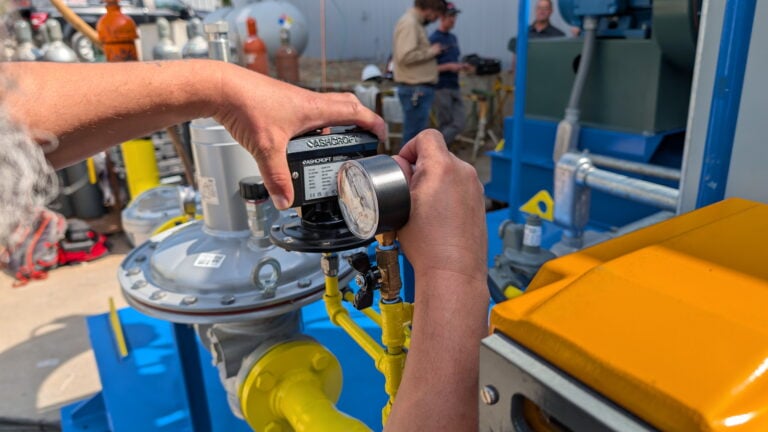
Failure to leak test fuel trains
Tiny gas leaks can go undetected in a noisy manufacturing environment. Regular leak testing is the only way to ensure system integrity.
Loose modulating controls and linkages
If these connections aren’t secure, they can send false signals about low or high fire states—a setup for dangerous light-off events.
Insufficient purge times
Some facilities set purge times too short to speed up re-lighting, but this can leave combustible gases in the chamber—leading to explosions. Make sure your system achieves at least four air changes of the interior volume.
Pressure switch failures
Incorrect air or gas pressure settings can create unsafe operating conditions for the burner, especially if pressure switches aren’t functioning properly.
Improperly rated inlet pressures
Ensuring upstream pressures don’t exceed downstream component ratings is vital. Overpressure can cause catastrophic equipment failures.
Proof of closure switches not tested
Verifying that shutoff valves are truly closed is critical to prevent dangerous light-off sequences.
Missing flame propagation sensors
For line burners over three feet in length, NFPA 86 now requires a second flame detection device at the other end of the burner. Many plants miss this newer standard, risking undetected flameouts.
How NFPA 86 Impacts Industrial Burners in Kansas City
Industrial burners in Kansas City operate under unique conditions. Fluctuating Midwest temperatures can wreak havoc on combustion systems. In winter, colder air increases air density, which can alter the burner’s fuel-air ratio and lead to inefficient combustion or system imbalance. Meanwhile, humid summer months introduce moisture-related challenges, such as internal corrosion of burner components.
Older industrial burners—common in many area plants—are particularly vulnerable. These units often weren’t designed with modern safety interlocks and sensors in mind, making retrofitting essential for compliance.
Facility managers working with industrial burners should ensure:
- Inlet pressures match downstream component ratings
- Exhaust flow switches are tested and functional
- Control panels include current wiring diagrams and sequences of operation
- Sediment traps and strainers are in place to protect the gas trains
Taking these extra steps keeps your plant safe and your burners compliant with NFPA 86.
5 Steps Facility Managers Should Take Today to Ensure NFPA 86 Compliance
You don’t have to overhaul your combustion systems overnight. Start by implementing smart, proactive measures:
Schedule professional burner inspections
Specialized technicians catch small problems before they become major hazards.
Pressure test and leak-check regularly
Even tiny leaks can spell disaster if left unchecked.
Test all safety interlocks
Don’t assume switches and alarms are still functioning—test them under real-world conditions.
Train your teams
Ensure your staff understands startup, shutdown, and emergency procedures, especially related to combustion equipment.
Maintain detailed records
Documentation matters—both for internal safety and external audits.
How BDC Helps Keep You Compliant and Running
At BDC, we specialize in helping facilities navigate NFPA 86 compliance for industrial burners in Kansas City and beyond. We offer:
- Burner safety inspections
- Comprehensive system audits
- NFPA 86 compliance consulting
- Retrofits and upgrades for aging combustion systems
Our team is here to make sure you aren’t risking downtime, accidents, or non-compliance penalties. We’re proud to help Kansas City manufacturers stay operational, productive, and safe.
NFPA 86 compliance is more than just checking a box—it’s about ensuring the safety and longevity of your facility. With smart inspections, ongoing maintenance, and the right combustion expertise, you can avoid costly hazards and keep your plant running smoothly.
Is your facility in full compliance with NFPA 86? Schedule your free burner safety inspection today and let’s work together to keep your people and production protected.